


Heat Pumps
We specialise in the supply, installation, and maintenance of highly efficient heat pumps. Whether you are upgrading your current heating system or planning a new build, heat pumps offer a sustainable, cost-effective alternative to traditional gas oil and electric boilers.
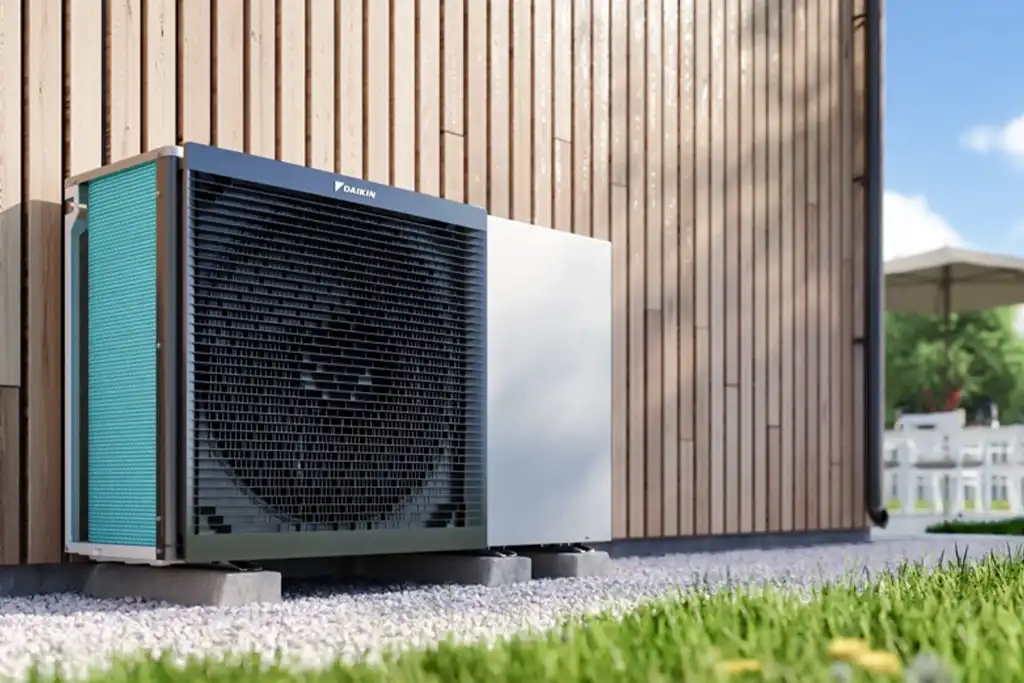
Griffiths provide a free, no-obligation survey and quotation. We will assess your property to determine system suitability and design a solution tailored to your home and lifestyle.
Types of heat pumps:
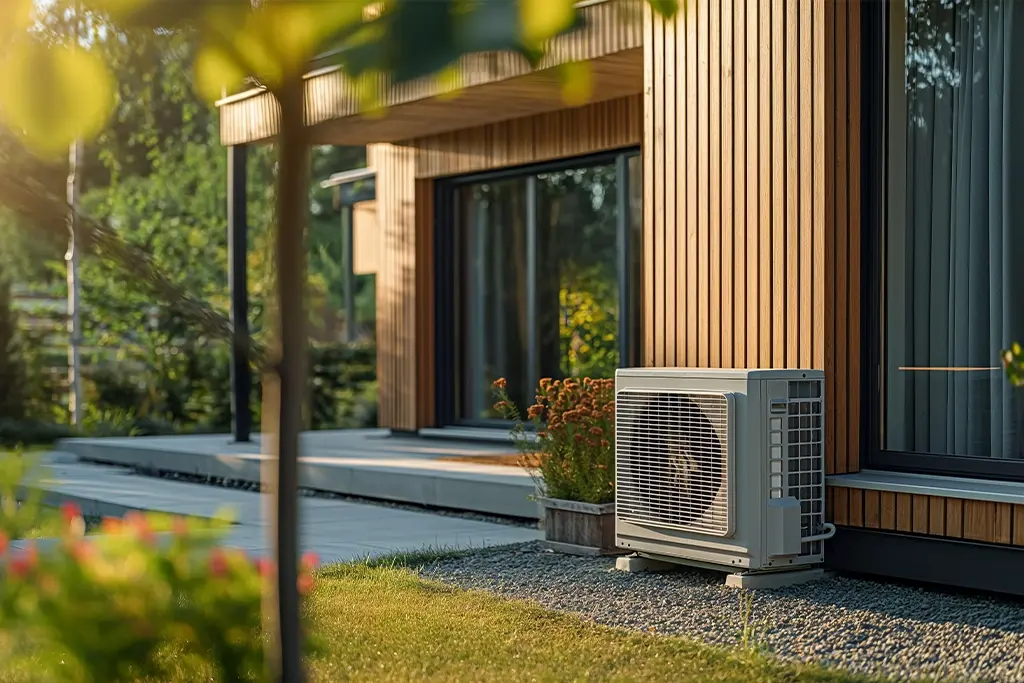
Air Source Heat Pumps
Air source heat pumps take heat from the air to efficiently heat your home, saving energy, reducing bills, and lowering emissions. Compatible with radiators or underfloor heating systems and can provide heating, cooling and hot water.
How Air Source Heat Pumps Work
Daikin’s air-to-water heat pumps extract heat energy, from the outside air, using an evaporator fan coil unit. This heat is then amplified through a refrigerant circuit and transferred via a hydro box, unit into your home’s central heating system to provide space heating and hot water.
High Temperature (HT) Heat Pumps – Up to 80ºC
- HT systems are ideal for older properties where insulation upgrades aren’t practical. They can integrate with existing radiators and pipework without major changes, offering a direct replacement for oil or gas boilers.
- Visit our Energy Efficiency Centre in Burton Latimer to view a working high temperature heat pump system heating our headquarters.
Low Temperature Heat Pumps – Up to 55ºC
‘Low Temp’ heat pumps can generate water temperatures of up to 55ºC, this is the most popular type of heat pump system which offers the greatest seasonal efficiency.
Ideal for new build properties or existing houses which have benefited from cavity wall insulation, double glazing and loft insulation. Griffiths purposefully design our heat pump systems with flow temperatures of 40-45ºC to return the greatest Seasonal Co-efficient Of Performance possible.
The low temperature heat pumps provide domestic hot water via a specialist cylinder. The heat pump ‘pre-heats’ the stored water, using an electric immersion heater to raise its temperature to around 60ºC.
Ground Source Heat Pumps
Ground source heat pumps extract heat from the ground, offering stable, efficient heating all year round with low running costs and reduced carbon output.
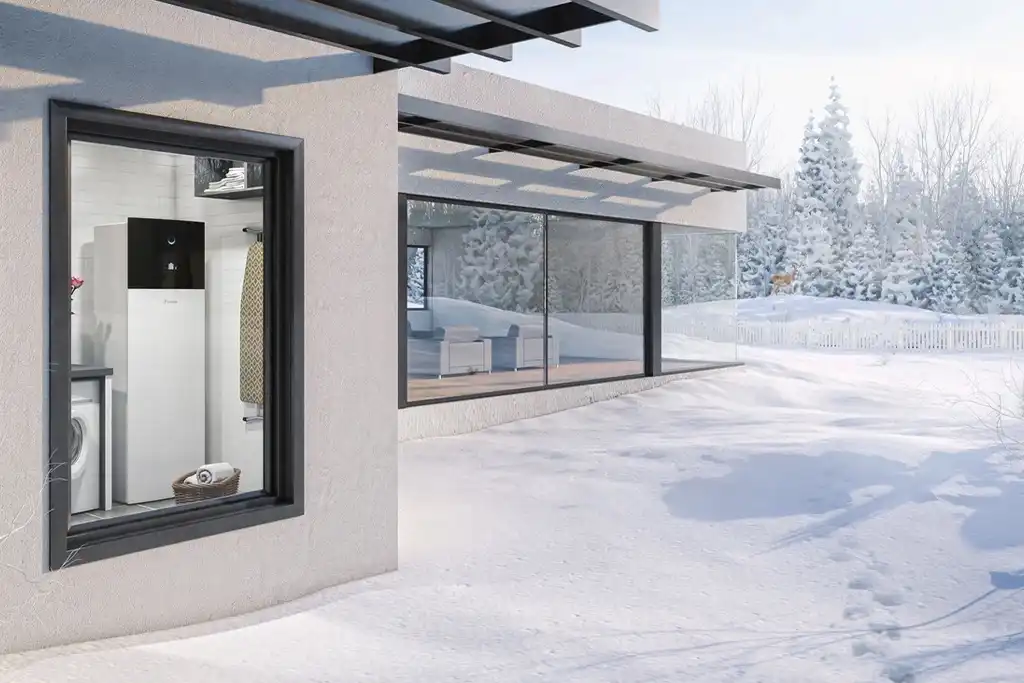
How Ground Source Heat Pumps Work
Key Components of a Ground Source Heat Pump System
The ground collector is the pipework that absorbs heat from the ground. There are two main installation methods, depending on the space available:
- Horizontal Loops (Slinkies): Coiled pipework laid in shallow trenches—ideal for properties with larger outdoor space.
- Vertical Boreholes: Deep, narrow holes drilled into the ground and filled with pipework and thermally conductive grout perfect for homes with limited land.
The heat pump is typically a floor-standing indoor unit such as those made by Kensa. It houses:
- Two heat exchangers
- Internal circulating pumps
One side of the system collects heat from the ground loop, and the other delivers heat to your central heating or hot water system.
- Smooth out fluctuations in heating demand
- Prevent the heat pump from short cycling (frequent on/off operation), which can reduce efficiency and lifespan
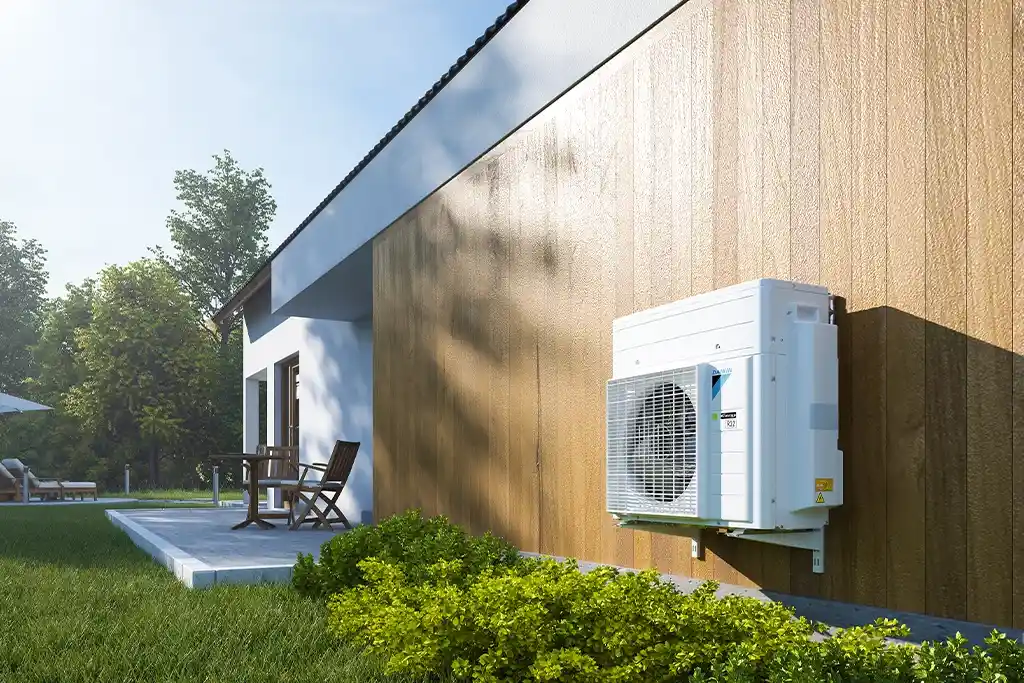
Hybrid Heat Pumps
Hybrid heat pumps combine a heat pump and traditional boiler, automatically switching for best efficiency, cutting emissions.
How Hybrid Heat Pumps Work
Hybrid Heat Pumps combine the efficiency of a low-temperature air source heat pump with the power and flexibility of a high-efficiency gas boiler. The system automatically selects the most efficient and cost-effective heat source depending on outdoor temperatures, heating demand, and energy tariffs.
This intelligent solution delivers renewable heating most of the year, while providing boiler backup during periods of extreme cold ensuring comfort and reliability in all weather conditions.
Hybrid heat pumps use a combination of gas, electricity and heat pump technology to provide your home with heating, cooling and hot water. They can be used for boilers replacement and are usually, compatible with existing pipe work.
What does a Hybrid Heat Pump System Include?
A hybrid system seamlessly integrates two technologies to provide efficient, responsive home heating and hot water all year round:
5–8kW Low Temperature Air Source Heat Pump
The air source heat pump extracts renewable energy from the outside air using a highly efficient refrigeration cycle.
- Heat is absorbed by an external evaporator unit, where refrigerant is evaporated at low temperatures.
- The refrigerant is then compressed and passed through an internal hydro box (condenser) unit.
- The amplified heat is transferred to the home’s central heating system.
Capable of producing water temperatures of up to 50°C, this heat pump provides reliable, energy-efficient heating—ideal for milder weather conditions throughout much of the heating season.
33kW Condensing Gas Boiler
The high-efficiency gas boiler supports the system by:
- Providing domestic hot water (either instantaneously or via a storage cylinder)
- Boosting heating output during colder winter months when higher flow temperatures are needed
The boiler automatically activates when outside temperatures drop or when higher heating demands are detected, ensuring the home stays warm and comfortable without compromising efficiency.
Benefits:


All-Year Comfort – Heat pumps can provide both heating in winter and cooling in summer, offering year-round comfort in your home or business with a single system.

Increases Property Value – Installing a heat pump can increase the value of your property by improving its energy efficiency rating and appeal to environmentally conscious buyers.
Our certified engineers design bespoke systems based on your property’s layout and energy needs. Every installation is carried out to MCS standards, ensuring you qualify for available government incentives.
After installation, our in-house Service Team is on hand to keep your system running at its best with routine maintenance and technical support.
Frequently Asked Questions
How long does it take to install a heat pump?
Does a heat pump need to be serviced?
Do I need planning permission?
Most heat pumps can be fitted under something called “permitted development” which means that planning permission is not required.
However, there are a few scenarios where your install may not fall under permitted development, in which case advice and/or planning permission must be sought from your Local Planning Authority (LPA). The most common reasons are outlined below:
- Your proposed heat pump location does not pass a noise assessment (i.e. the proposed location is too close to a neighbouring property’s window);
- Your property is a listed building or located within a World Heritage Site or conservation area.
Are air source heat pumps expensive to run?
The only fuel needed to run ASHP heating is electricity. The amount of electricity required depends on the size of your home and the quality of your insulation. The better the insulation, the less heat your home will lose – and the less energy will be needed to operate the heat pump.
When we provide a quotation, this will contain accurate information about on-going running cost in accordance with our MCS guidelines that are specific to your property.
Will I need to upgrade my radiators or insulation?
Can a heat pump heat my whole house, including hot water?
Are there any current grants or financial incentives available?
Yes. The Boiler Upgrade Scheme (BUS) entitles anyone with an existing traditional heating system or new build/self-build to gain £7,500.00 towards the cost of a heat pump installation.