

Battery & EV Chargers
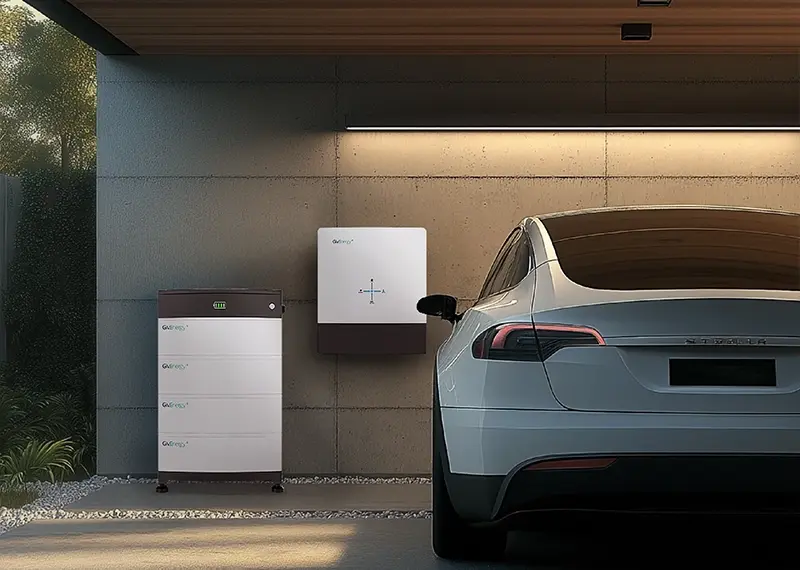
Battery Storage
Battery storage systems allow you to store excess energy, typically from solar panels for use when you need it most such as during peak demand times or at night.
Battery systems can also be charged directly from the grid. When paired with a smart tariff, you can take advantage of off-peak rates as low as 7p per kWh allowing you to shift most of your imported energy to a much cheaper rate.
This helps reduce reliance on the grid, lowers energy bills, and can provide backup power during outages. Modern battery systems are compact, efficient, and can be integrated into both residential and commercial setups. By storing clean energy for later use, battery storage also supports a more sustainable and energy-resilient future.
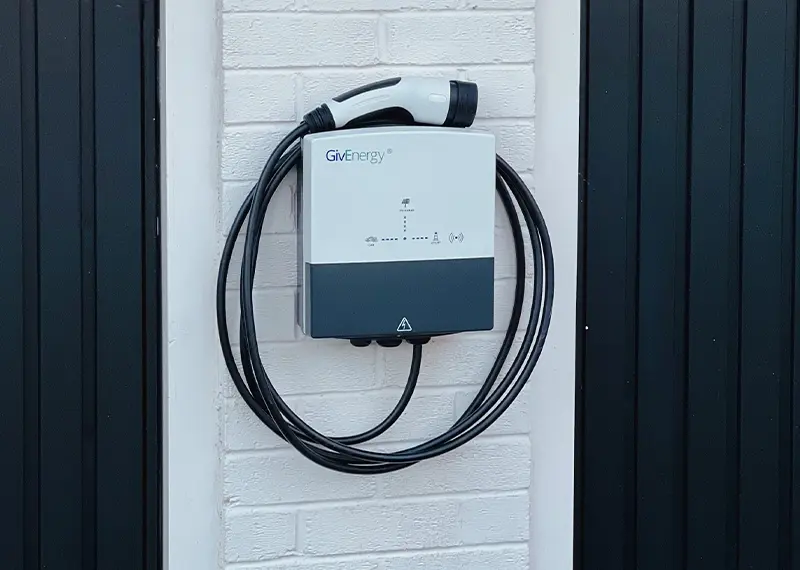
EV Chargers
EV (Electric Vehicle) chargers provide a convenient and reliable way to recharge electric cars at home or in commercial settings. Available from various manufacturers, these systems are designed to suit different charging needs and vehicle types.
Installing an EV charger at home offers the convenience of overnight charging, while commercial chargers can attract customers and support staff with electric vehicles.
Smart chargers can also be integrated with solar panels and battery storage, allowing you to charge your vehicle using clean, renewable energy and reduce electricity costs.
Griffiths provide a free, no-obligation survey and quotation. We will assess your property to determine system suitability and design a solution tailored to your home and lifestyle.
Frequently Asked Questions
What is the average pay back period with a battery?
This is dependent on your electricity usage and usage of the batteries. An average payback period for a battery system is between 6-10 years.
How long will it take to install?
Batteries usually take around one day to install depending on the size and installation requirements.
EV chargers take around half a day to install depending on the installation requirements.
How long will it take for my car to fully charge?
On a domestic property with a standard 7Kwh charger, an average 70Kwh EV battery will take approximately 10 hours to fully charge. However, most people do not fully drain a car battery so the charge time are often significantly lower, if you make use of nighttime tariff’s a full charge can cost you as little as £4.90